- WATCH EPISODE 6 FIRST
- This article is based on Episode 6 of The Australian Wealth Shift – “Why The Future Belongs To Those With Options.”
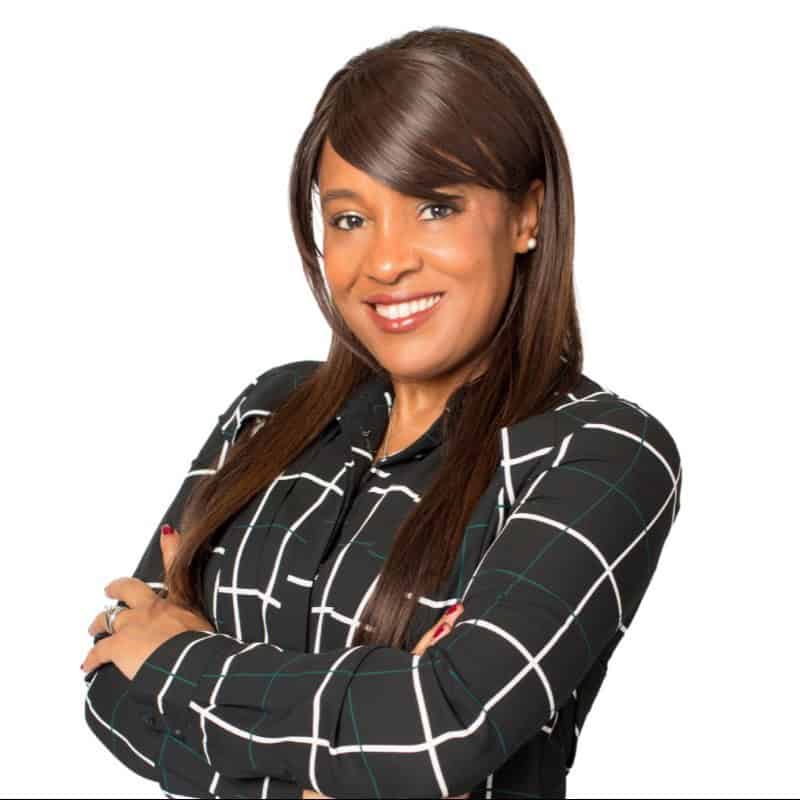
- If you prefer video, watch the episode above on YouTube for the full discussion with Virna White.
- The article below distils the key ideas for business owners who prefer a written version or want something they can refer back to.
Introduction
One of the biggest assumptions successful business owners make is that they’ll always have time to make a different decision later.
Sometimes that’s true.
Often it isn’t.
Because the future rarely changes all at once.
It changes gradually… then suddenly.
Options quietly become limitations. Flexibility slowly disappears. Opportunities narrow one by one. And by the time most people realise what’s happening, they’re no longer choosing from a position of strength. They’re reacting from a position of pressure.
Over the last five episodes of The Australian Wealth Shift, we’ve talked about exit options, looking beyond Australia, timing, structure and capital. None of those conversations were really about tax or technical rules. They were all pointing toward something bigger:
Optionality.
Because in an uncertain world, the future increasingly belongs to people with options. The real question isn’t “What should I do next?” but “How many good ways could this still go for me if things change?”
The Assumption That Costs Business Owners The Most
The assumption that “I’ll always have time later” is one of the most expensive assumptions a business owner can make.
It assumes that:
- the window for good decisions will always stay open;
- complexity will always be manageable;
- regulations and conditions will change slowly enough that you can respond on your own timeline.
In reality, things tend to unfold differently. Options that were available for years quietly fall away. The decision that would have been simple three or five years ago becomes difficult, complicated or impossible, which is why business owners start planning too late.
Nothing dramatic appears to happen on any single day. But:
- the business becomes more complex;
- the family situation becomes more tangled;
- opportunities come and go;
- rules shift;
- timing windows close.
By the time many owners decide to act, they’re no longer choosing between a range of good options. They’re choosing between a few narrow paths under pressure. The cost doesn’t come from one obvious mistake; it comes from treating time as if it were unlimited.
From a strategic point of view, that assumption is effectively a silent decision to trade options for comfort. You don’t feel the trade today – but it shows up later, when your hand is forced.
Why The World Is Changing Faster Than Ever
For much of history, people could safely assume the future would look similar to the past. Change was relatively slow. Opportunities were relatively stable. Geography mattered. Systems shifted gradually.
That’s no longer the world business owners live in.
Today, technology, governments, regulations and markets are all shifting far more quickly than most people are used to. Entire industries can change in a few years, not a few decades.
In that environment, certainty becomes harder, not easier. But at the same time, flexibility becomes more valuable.
You don’t control the speed of technological or regulatory change. You do control how prepared you are when those changes arrive. Strategically, that means the edge is moving away from “knowing exactly what will happen” towards “being able to absorb whatever happens without breaking.”
Prediction vs Preparation
Most people spend their lives trying to predict the future.
They ask:
- “What will interest rates do?”
- “What will this government change?”
- “What will this market look like in ten years?”
The most successful business owners think differently. They don’t try to predict every outcome. They prepare for multiple outcomes.
That is a very different mindset.
- Prediction assumes certainty.
- Preparation assumes uncertainty.
Uncertainty is the reality we all operate within.
A business owner with one option is vulnerable. A business owner with multiple options is resilient. In a world where the future is increasingly hard to forecast, resilience is becoming one of the most valuable assets you can possess.
Optionality is what makes that resilience possible. It’s the difference between being forced into a single path and being able to choose the best path available when circumstances shift. In practice, it’s the difference between designing your life like a single bet and designing it like a portfolio that can survive different futures.
When you stop trying to be right about one future and start preparing for several, you immediately reduce how much of your life depends on any single guess being correct.
What Optionality Really Means
Optionality is often misunderstood.
People hear the word and immediately think of:
- offshore structures;
- second residencies;
- international banking;
- overseas companies.
Those can be expressions of optionality, but they are not the whole picture.
At its core, optionality means having choices:
- choices about where you live;
- choices about where you work;
- choices about where you invest;
- choices about how you structure and protect wealth;
- choices about how your family can live in the future.
The key isn’t whether you use every option you create. The key is that the option exists.
An option you never use can still have value. It gives you negotiating power. It affects how you think and plan. It can change how others treat you.
The absence of an option often has a cost. It can force you into decisions you wouldn’t otherwise make, at times you wouldn’t otherwise choose, on terms you wouldn’t otherwise accept.
You don’t necessarily need to leave Australia, move overseas, open international accounts or secure a second residency. But you should understand which of those offshore planning options could exist for you, and what it would take to make them real. In that sense, optionality is less about committing to a move and more about designing your future so you’re not trapped by any single outcome.
The Hidden Cost Of Waiting
This is where many people get caught.
They assume flexibility will always be available – until one day it isn’t.
Over time:
- the business becomes too complex to move easily;
- the family situation becomes too complicated to restructure cleanly;
- a particular opportunity window passes;
- regulations change and close off simpler paths;
- health, age or energy levels alter what is realistically possible.
A decision that could have been made relatively easily years earlier becomes significantly harder. Not because anybody did anything “wrong,” but because optionality wasn’t created early enough.
The people who preserve the most flexibility are rarely the ones who react first. They are the ones who prepare first. They make small, intelligent decisions while options are still plentiful, rather than waiting until circumstances have already narrowed what is available.
Waiting does not simply delay action. It can quietly remove choices. Strategically, every year you postpone thinking about options is a year where complexity, commitments and external rules are compounding against you.
Why Successful Business Owners Preserve Their Options
The most sophisticated business owners understand something many people miss.
They understand that freedom is not created by wealth alone. It is created by flexibility.
There are wealthy people with very few real options. Their lives, businesses and families are tied to a single structure, a single jurisdiction, a single way of operating. On paper they have significant assets; in practice they have limited ability to change direction without considerable pain.
There are also people with far less wealth who enjoy enormous flexibility. They have positioned themselves so that:
- where they live can change;
- how they operate can shift;
- how their wealth is structured can evolve;
- how their family lives in the future can be adjusted.
Flexibility doesn’t come from what you own. It comes from how you’ve positioned yourself.
It comes from preparation.
It comes from planning.
It comes from optionality.
That’s why many successful business owners spend time creating alternatives long before they need them. Not because they intend to use every alternative. But because they understand the value of having those alternatives available if – and when – they ever decide to use them.
From their perspective, preserving options is not a luxury. It’s part of how they de‑risk their entire life – the same way they de‑risk investments by diversifying instead of betting everything on one outcome.
The Real Lesson Of The Australian Wealth Shift
If you’ve followed The Australian Wealth Shift series, you may have noticed a pattern.
We’ve talked about:
- the Federal Budget;
- Australia;
- residency;
- structures;
- capital;
- international planning.
But none of those topics were the real lesson.
The real lesson is this:
The future belongs to people who create options before they need them.
That is the common thread running through every episode.
Not tax.
Not politics.
Not relocation.
Options.
Because options create flexibility.
Flexibility creates resilience.
And resilience creates opportunity.
The episodes on timing, structure and capital were never just technical discussions. They were all, in different ways, warning about the price of late preparation and the value of preserving choices while you still have them.
The point was never to convince you to make a particular move. The point was to show that, in an increasingly uncertain world, the business owners who will have the most freedom tomorrow are the ones who start deliberately preserving their options today.
Wealth Safe Principle
The most valuable asset a successful business owner can possess isn’t simply wealth.
It’s optionality.
Optionality creates flexibility.
Flexibility creates resilience.
And resilience creates opportunity.
If this video episode and article has prompted you to think differently about preserving your future options, now is the right time to begin that conversation.
The greatest advantage rarely comes from reacting once pressure arrives.
It comes from preparing while you still have choices.
That’s exactly what WealthSafe’s offshore planning specialists help successful Australian business owners do.
Once pressure arrives, the available choices are often far more limited. In an uncertain world, the ability to choose – where you live, how you operate, how your wealth is structured and how your family lives – may become the most valuable asset of all.